Día de los Muertos
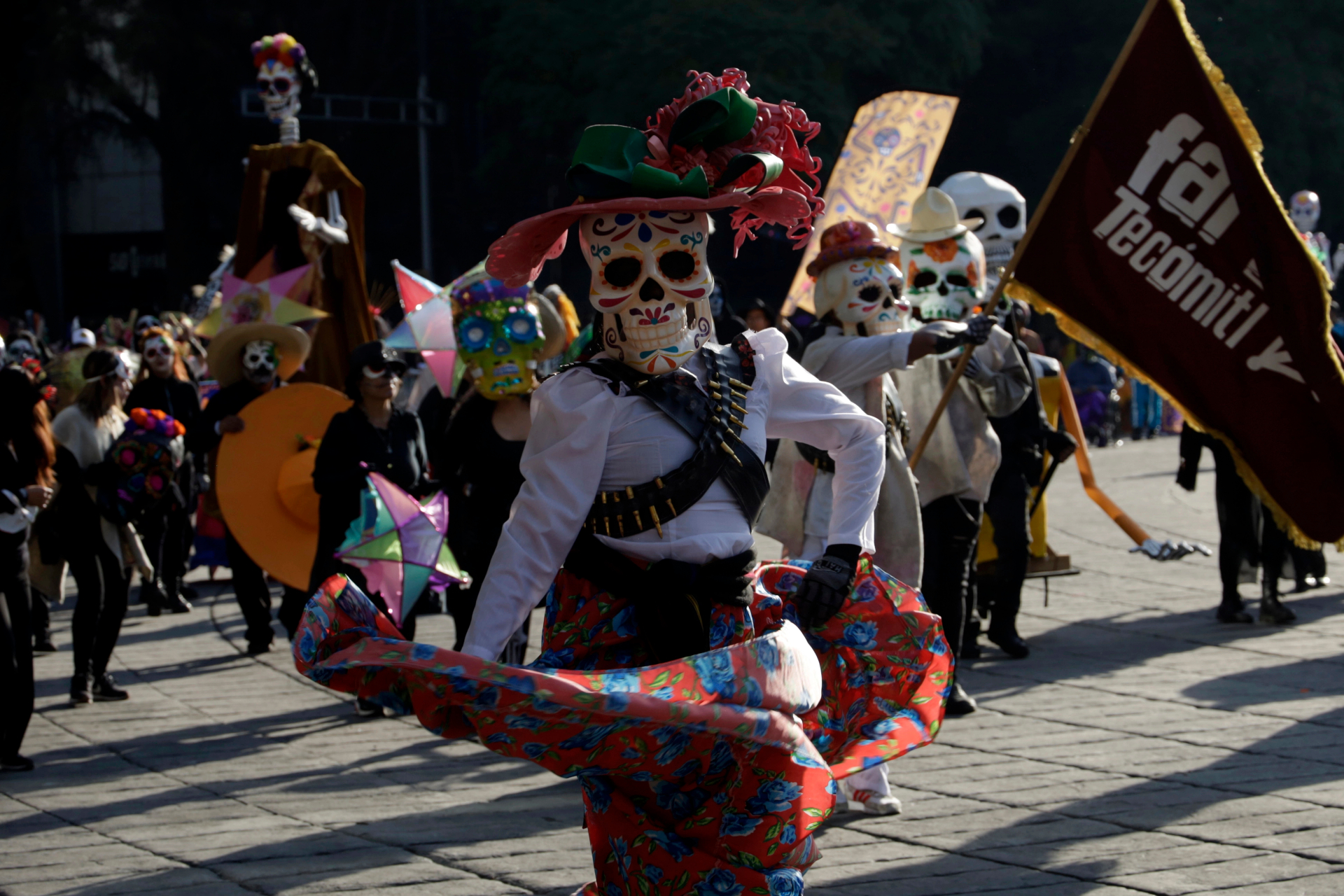
Families gather to remember deceased loved ones with colorful altars, sugar skulls, and parades.
Día de los Muertos (Day of the Dead) is Mexico's most iconic celebration—a vibrant, joyful commemoration of deceased loved ones that has been recognized by UNESCO as an Intangible Cultural Heritage of Humanity. Far from being morbid, this festival is a colorful celebration of life, memory, and the unbreakable bonds between the living and the dead.
Celebrated on November 1st and 2nd, the festival has deep roots in indigenous Aztec traditions that predate the Spanish conquest, later blended with Catholic observances of All Saints' Day and All Souls' Day. The belief is that during these days, the veil between worlds thins, allowing the spirits of the departed to return and visit their families.
Families create elaborate ofrendas (altars) in their homes and at gravesites, decorated with marigolds (cempasúchil), whose bright orange petals are said to guide spirits home. The altars feature photographs of the deceased, their favorite foods and drinks, candles, incense, and iconic calaveras (sugar skulls) inscribed with names.
Mexico City's grand parade has become a spectacular event, inspired partly by the opening sequence of the James Bond film "Spectre." Oaxaca is renowned for its traditional celebrations, where families spend the night in cemeteries, cleaning and decorating graves, sharing meals, and playing music for their departed loved ones.
The festival reminds us that death is not an ending but a continuation—and that love transcends mortality.