Holi
The Hindu 'Festival of Colors' marks the arrival of spring with vibrant colored powders and water symbolizing equality and joy.
Holi, known as the Festival of Colors, is one of the most exuberant and visually stunning celebrations on Earth. This ancient Hindu festival marks the arrival of spring and the triumph of good over evil, celebrated primarily in India and Nepal but now embraced worldwide.
The festival begins on the evening of the full moon in the Hindu month of Phalguna (usually March) with Holika Dahan, a bonfire ritual that symbolizes the burning of the demoness Holika and the victory of devotee Prahlad. The following day, known as Rangwali Holi, is when the famous color play begins.
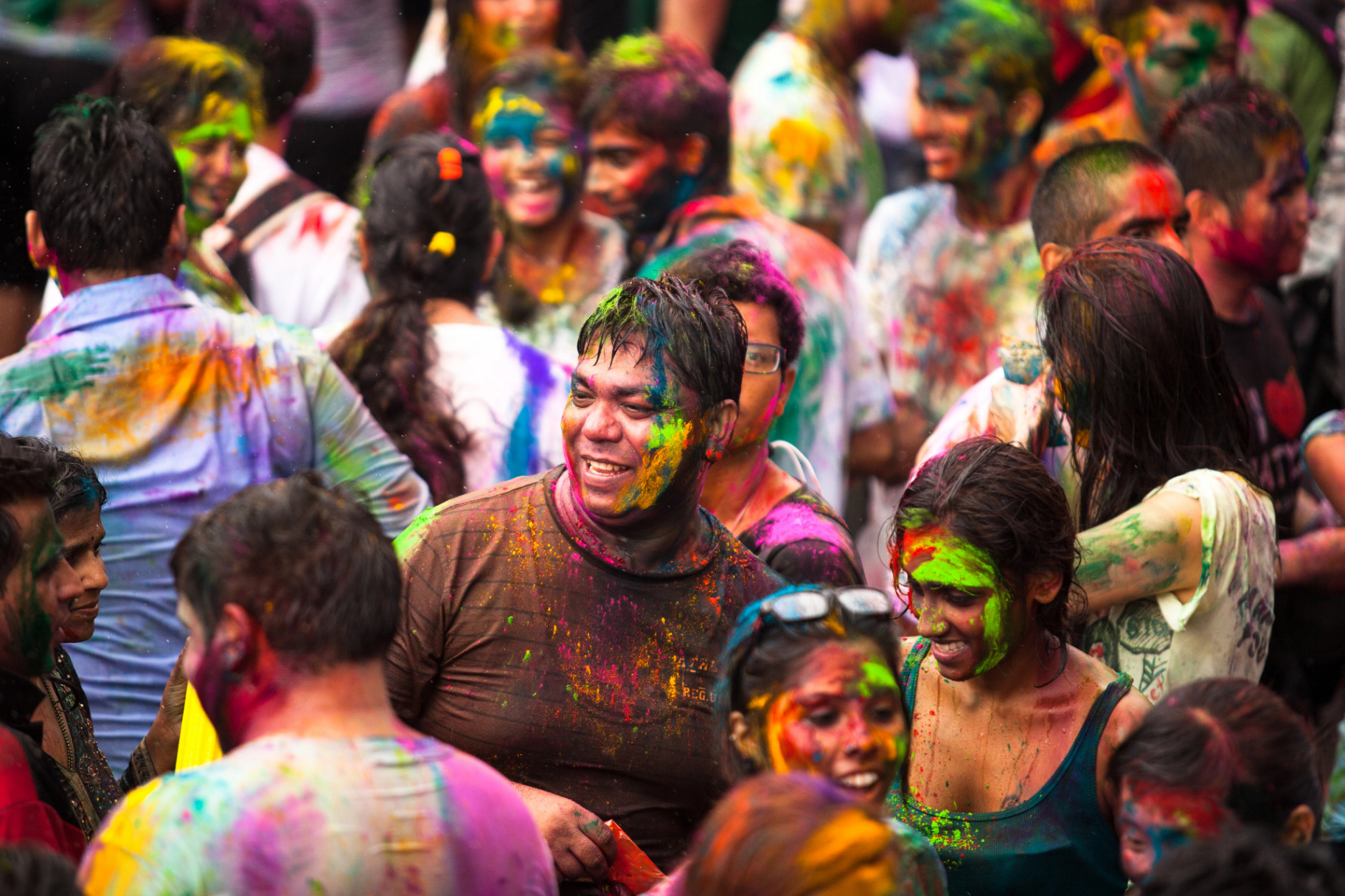
As dawn breaks, streets fill with revelers armed with bags of gulal (colored powder) and pichkaris (water guns). Social barriers dissolve as people of all ages, castes, and backgrounds drench each other in brilliant hues of pink, purple, blue, green, and yellow. Strangers become friends, enemies reconcile, and the entire community comes together in joyous abandon.
Traditional foods like gujiya (sweet dumplings), thandai (a spiced milk drink), and bhang (a cannabis-infused beverage in some regions) add to the festive atmosphere. By afternoon, the streets are a kaleidoscope of color, with paint-splattered celebrants dancing to folk music and modern beats alike.
Holi reminds us that beneath our different appearances, we are all equal—a message that resonates universally.