Mardi Gras
A pre-Lenten celebration with jazz music, elaborate floats, and the throwing of beads and trinkets.
Mardi Gras, French for 'Fat Tuesday,' is New Orleans' legendary celebration before the Christian season of Lent. While the term refers specifically to the final day before Ash Wednesday, the Carnival season in New Orleans stretches from January 6th (Twelfth Night) through Mardi Gras day, building to a crescendo of parades, balls, and street parties.
The tradition began with French colonists in the early 18th century and has evolved into one of America's most unique cultural celebrations. The festival is organized by krewes—social organizations that plan and fund the elaborate parades and balls. Legendary krewes like Rex, Zulu, Bacchus, and Endymion each bring their own traditions and spectacular floats.
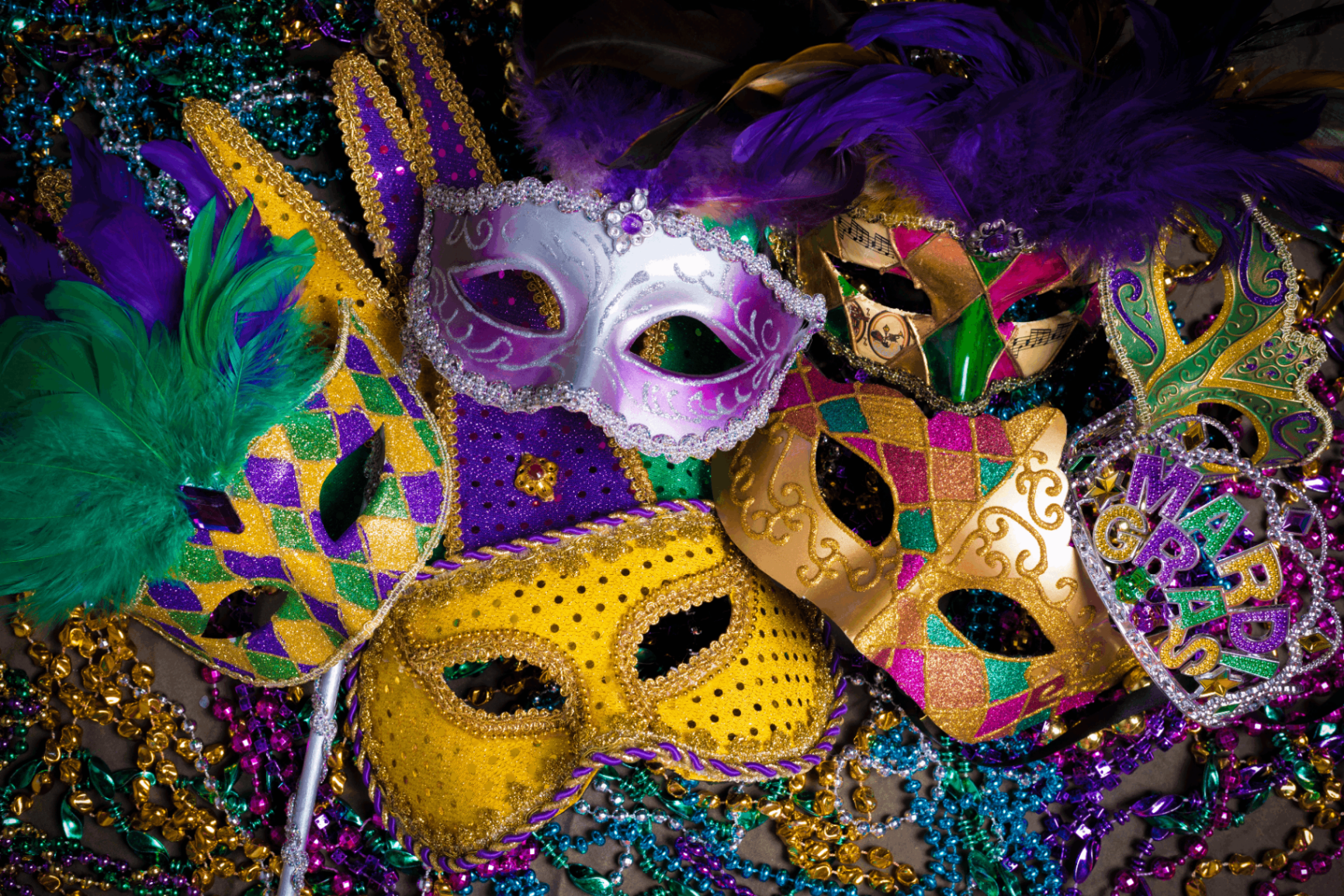
The parades are the public face of Mardi Gras, featuring massive floats that can stretch an entire city block, each carrying masked riders who throw 'throws' to the crowds below. The most coveted throws include strands of colorful beads, doubloons (commemorative coins), cups, and stuffed toys. The cry of 'Throw me something, mister!' echoes through the streets as families stake out prime viewing spots with ladders and coolers.
The French Quarter becomes the epicenter of adult celebrations, with Bourbon Street's neon-lit bars and clubs hosting non-stop revelry. But Mardi Gras is equally a family celebration, with neighborhood parades and backyard crawfish boils throughout the city.
Traditional foods include king cake (a sweet, decorated cake with a hidden baby figurine), gumbo, jambalaya, and po'boy sandwiches. The unofficial colors—purple (justice), gold (power), and green (faith)—adorn everything from beads to buildings.
Mardi Gras is more than a party; it's an expression of New Orleans' unique cultural heritage, combining French, Spanish, African, and American traditions into something found nowhere else on Earth.